That’s not just a headline designed to attract attention. It’s my professional opinion as someone who tastes and writes about global wines for a living. I believe there is no more exciting wine region on the planet right now than South Africa.
There are plenty of reasons for that, from the country’s extraordinary old vineyards and geological diversity to the sheer quality and value of its wines. But if I had to put my finger on one thing that makes South Africa particularly special, it would be the country’s collaborative spirit.
That can sound very woo-woo or philosophical, but it represents a very real factor in the development and evolution of any wine region, and South Africa’s culture in that regard is something special.
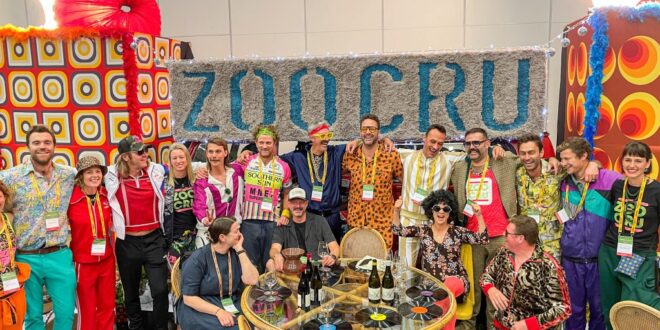
If South Africa’s collaborative spirit had a set of poster children it would most certainly be the motley crew that call themselves the Zoo Cru (or most recently Zoo Corp – more on that in a moment). This collection of winemakers and their independent wine brands represents a distillation of everything that makes South Africa so fantastic right now, from their collective creativity to the quality of their wines, to the self-effacing energy they put into making wine actually… wait for it… fun.
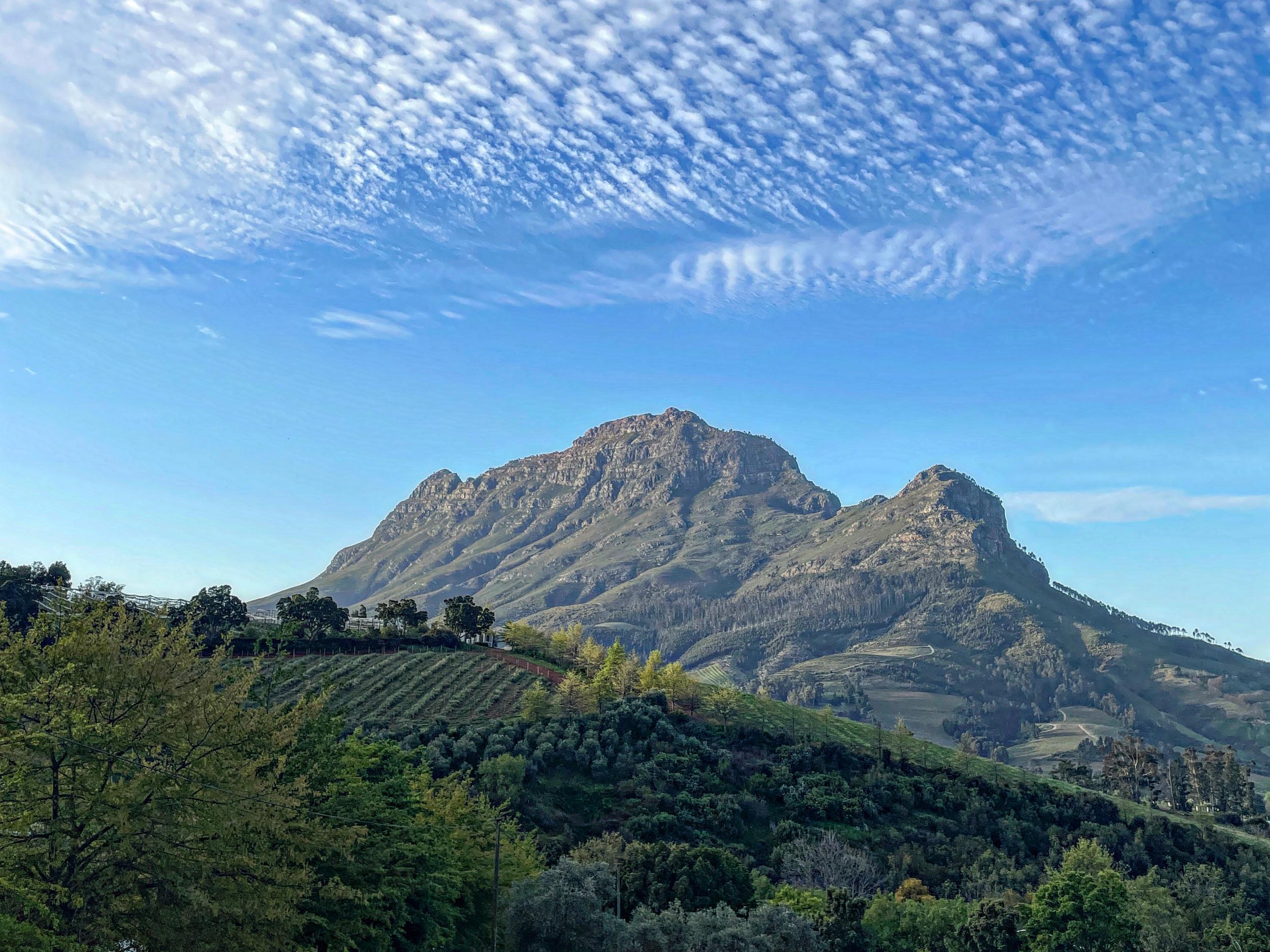 A view of the Simonsberg mountain and nearby vineyards.
Evolving a new wine culture
In the first half of the 20th Century, as it recovered from Phylloxera like the rest of the world, the South African wine industry distinguished itself by being heavily focused on brandy and fortified wines. It was dominated by large cooperative wineries that relied on a network of growers throughout the country supplying large quantities of grapes to make inexpensive table wines and spirits.
The imposition of apartheid in 1948 quickly led to international isolation and the drying up of international markets for South African wine. The industry languished during this time, relying on local markets and suffering through a lot of economic hardship. Towards the end of the apartheid period, some independent producers made investments of time and money to improve quality, and a few, like Kanonkop and Meerlust, began or returned to estate bottling.
Not until the end of apartheid, the democratic elections of 1994, and the removal of sanctions did the conditions emerge for South Africa’s modern fine-wine industry to truly take off. The first efforts in this regard were made primarily by these historic estates, who already owned the vineyards and possessed the capital required to improve quality, followed by newer independent producers who came with enough capital to get started in the business, usually by purchasing existing vineyards from long-time growers.
And then in 2000, a young man named Eben Sadie changed the trajectory of South African wine forever when he began making wines under his family name. Released a couple of years later, the initial vintages of Sadie Family Wines took the industry by storm, earning significant international critical acclaim and commanding prices that demonstrated a new ceiling for ambitious South African wine. Sadie owned no vineyards to begin with, instead choosing to establish contracts with growers of historic old-vine vineyards, paying a premium for farming to his exacting specifications.
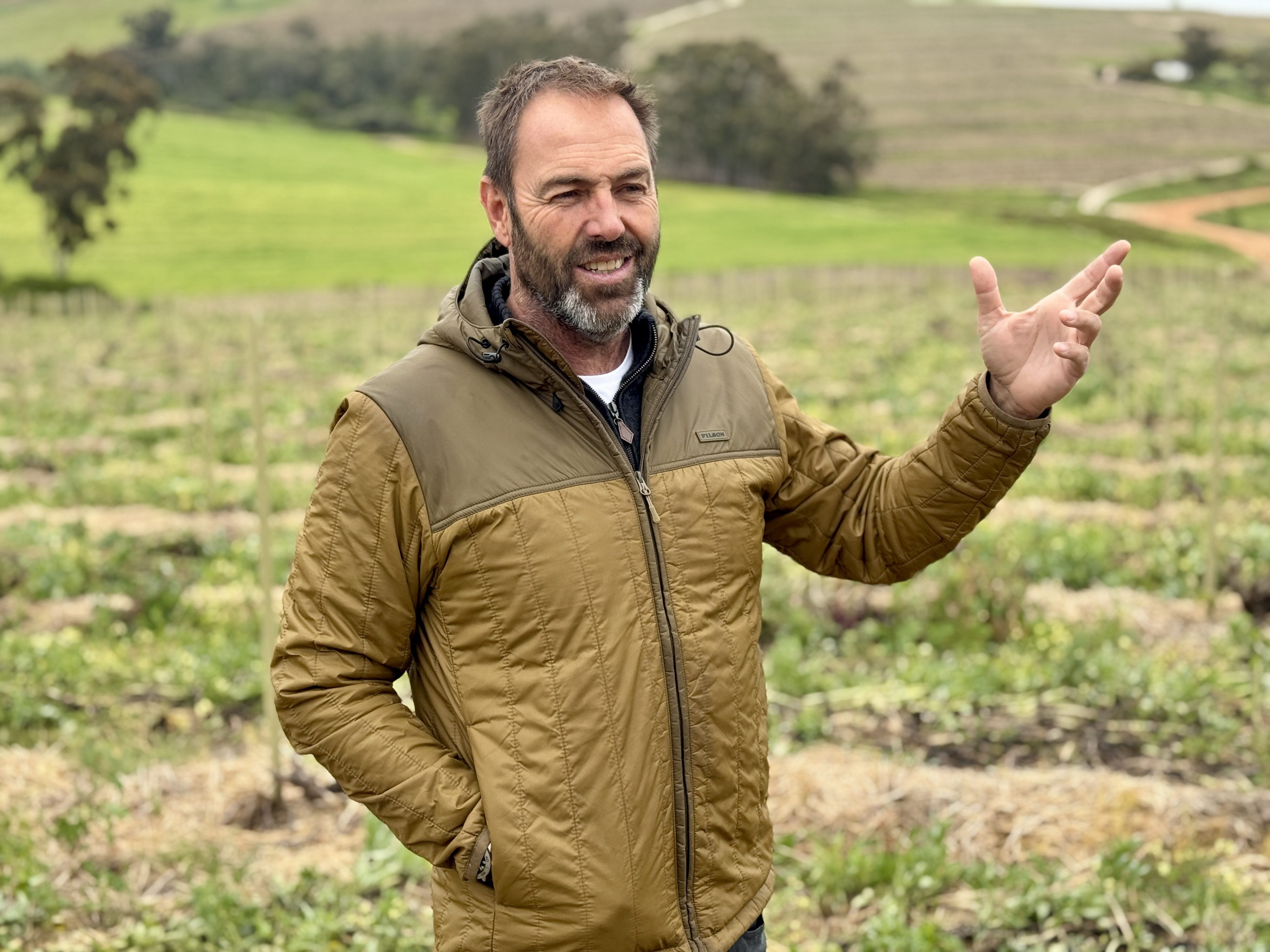 Winemaker Eben Sadie
Sadie’s near-overnight success made him a model for what the next generation of fine-wine production could look like, and as I related in my piece Tasting the Swartland Revolution, he and a couple of other producers also set the tone for the industry’s collaborative spirit. Young aspiring winemakers came knocking at his door, asking him how he did what he did, and he invited them in and showed them everything. Andrea and Chris Mullineux, as well as Adi Badenhorst, followed suit.
The result of the Swartland Revolution’s openness was twofold: a whole generation of young winemakers primed for open collaboration and collegiality, and a…
Source : https://www.vinography.com/2026/08/why-south-africa-is-the-most-exciting-wine-region-on-the-planet-part-i