
This past July 28th, the wine world mourned the death of pioneering winegrower David Hirsch, who showed the California wine industry, and the wider world, that Pinot Noir could be grown brilliantly a mere 3 miles from the chilly Pacific Ocean in the shadow of towering redwoods.
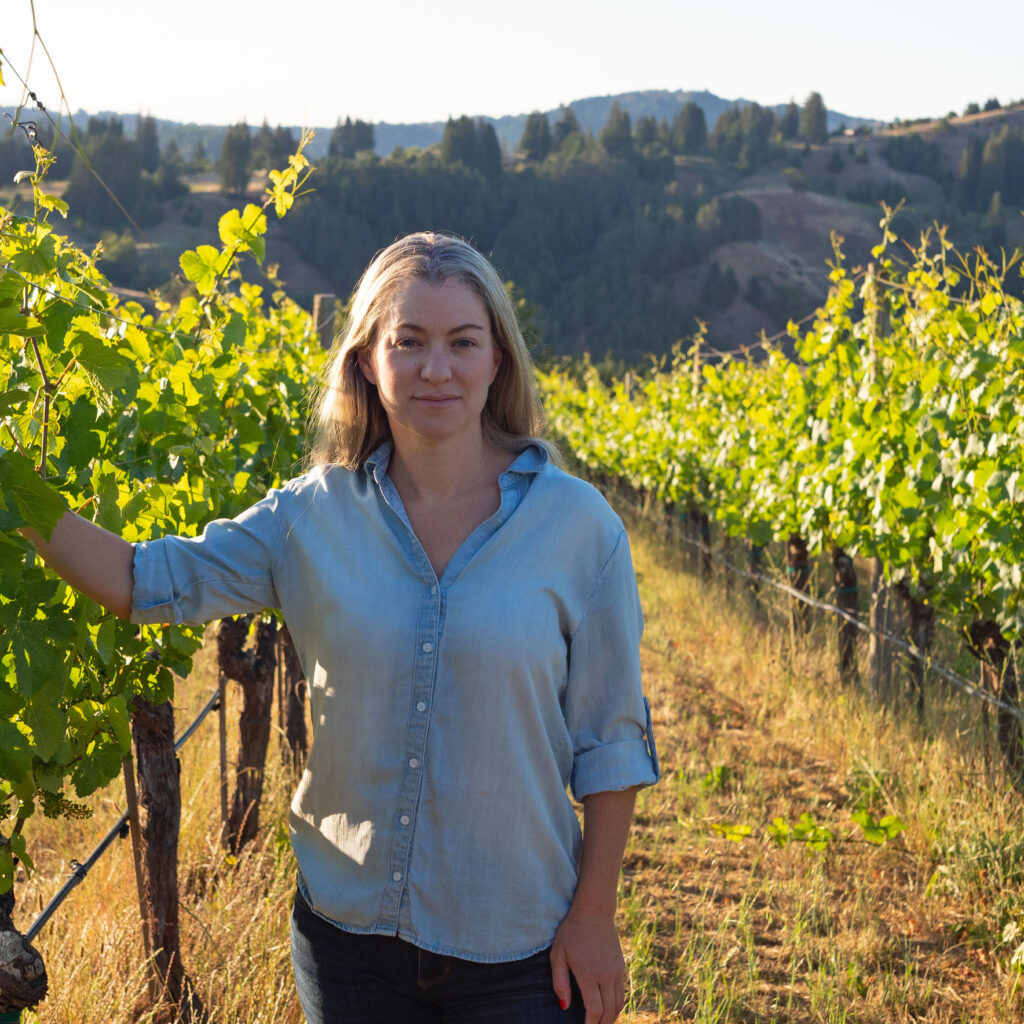
A 2014 tractor accident put the then-70-year-old Hirsch in a wheelchair and hastened his daughter Jasmine’s move into the role of general manager in 2015. She also became the estate’s winemaker in 2019, at which point consulting winemaker Michael Cruse also joined the team. After a long recovery, the elder Hirsch continued to work in the vineyards and winery until shortly before his death this summer.

I’ve been tasting wines made from Hirsch Vineyard fruit for the last 20 years, and have been lucky enough to own a number of bottles dating back to the early 1990s made by Littorai and Williams-Selyem. The evolution of the winery since the estate launched its own wines in 2002 has been remarkable. What has always been a site capable of conveying a purity of stony power and grit, with its more beguiling charms unlocked only by some time in the bottle, has become a place of much more approachable complexity and subtle differentiation.
To put it bluntly: for years, many Hirsch wines were hard to drink in their youth—somewhat impenetrable and slow to demonstrate their grace. Today, speaking especially of the wines made under the estate’s own label, that is no longer the case. While still offering incredible structure, delineation, nervosity, and stony, herbal minerality, Hirsch wines are more perfumed, more complex, more expressive, and more pleasurable to drink in their youth. They only get better with time in the bottle. Some of this undoubtedly has to do with maturation—of the vines themselves, and of the farming practices and team that cares for them—but there is more afoot.
I’m not willing to give the vines all the credit. Hirsch Vineyards is making better wines than it ever has, and I think it’s mostly Jasmine’s fault.

A Remarkable Place
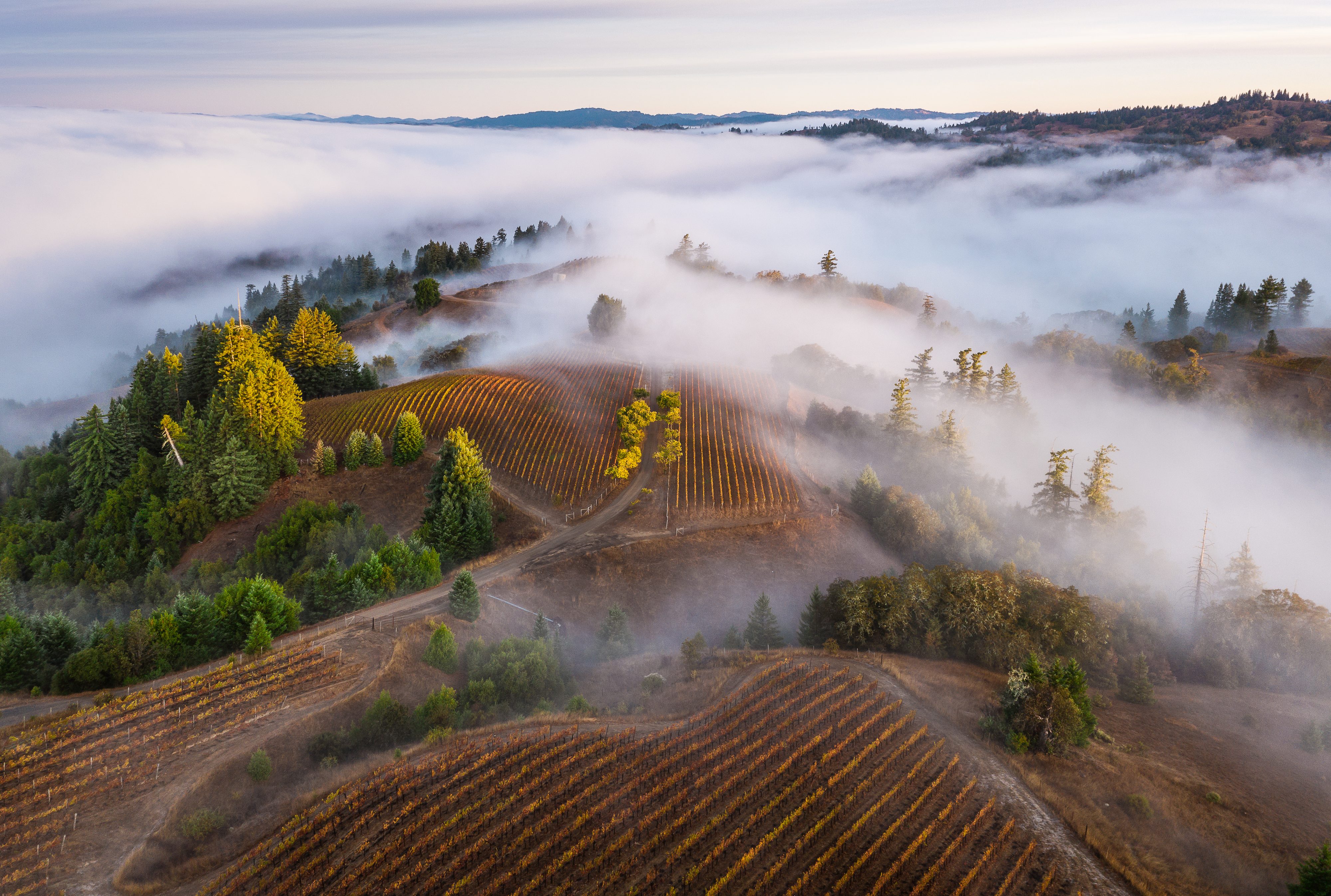
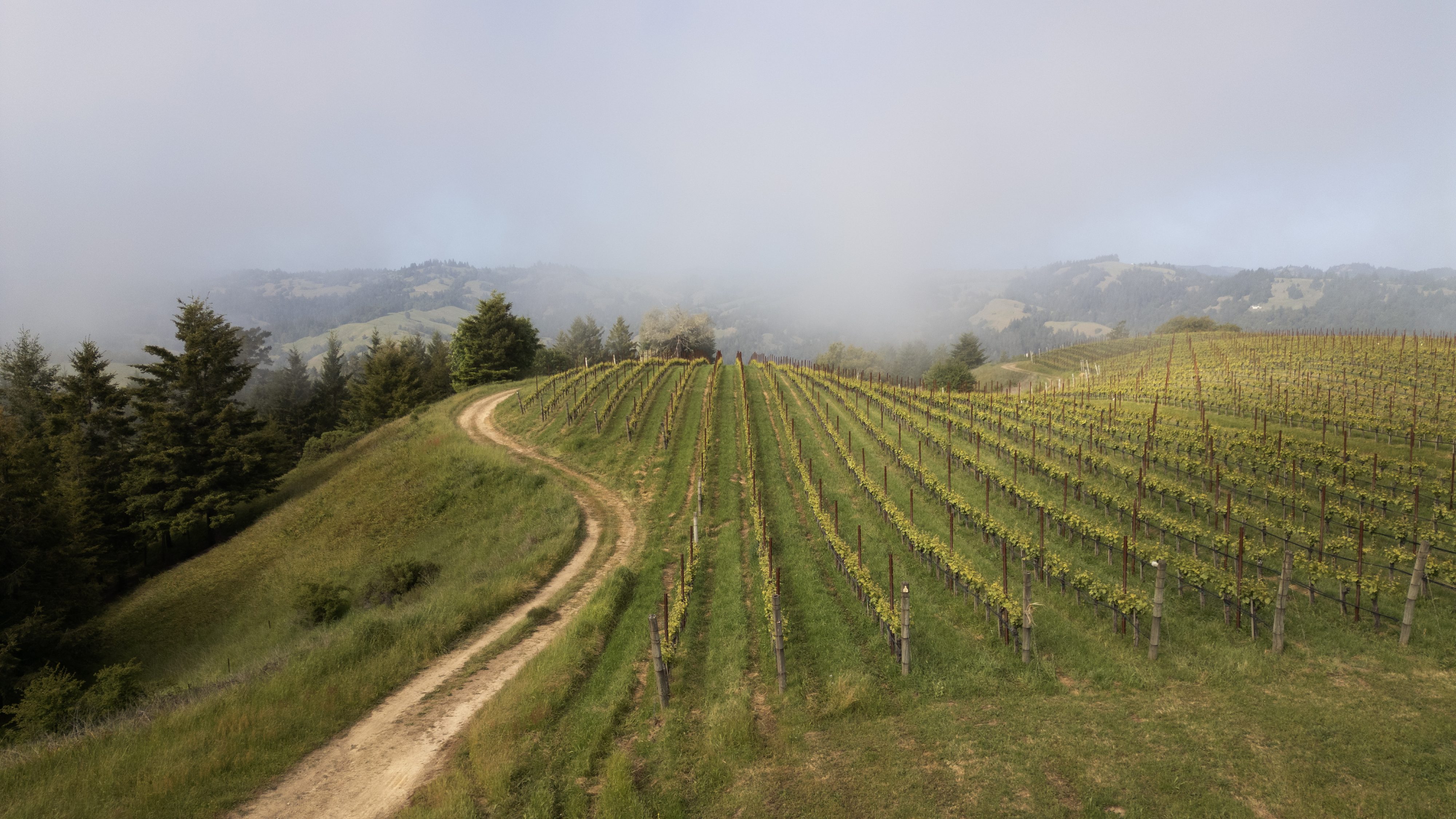
Hirsch’s 72 planted acres sit within a 1,000-acre property atop a ridgeline at 1,500 feet of elevation with views of the Pacific Ocean. The winemaking project began with a mere 2 acres of Pinot Noir, put into the ground with great difficulty in 1980, two years after Hirsch purchased the abandoned sheep ranch with some idea of joining the back-to-the-land movement. At that time, hardly anyone had dreamed of making wine, let alone Pinot Noir, so close to the Pacific. Today, that small section of the West Sonoma Coast has its own AVA named Fort Ross-Seaview, established in 2012.
Inundated by coastal fog, battered by chilly winds straight off the Pacific, the estate receives an average of 80 inches of rain each winter, and then virtually none all summer, as the sun bakes the scraggly grasses and cover crops brown and crispy.
Just half a mile from the San Andreas Fault (on the east side, safe from that mythical fate of falling into the ocean one day), the estate’s mixed-up, diverse geology and undulating topography have been shaped by the grinding forces at work along that famous fault.
Lovingly described by the Hirsch team as “haphazard,” the soils of the estate are indeed a dizzying array of sedimentary (ranging from sand to iron-rich sandstone to shale) and metamorphic (schists and serpentines) layered over deeper basaltic formations that underlie parts of the Coast Range.
Today the estate has been carefully replanted and divided into 67 discrete farming blocks which are used to assemble the estate’s portfolio of Pinot Noirs, a rosé, and a Chardonnay. Some wines are expressions of individual blocks, some are assembled from contiguous parcels, and others represent blends of many or even all the estate’s…
Source : https://www.vinography.com/2026/10/coastal-brilliance-recent-releases-from-hirsch-vineyards