
I can’t tell you how many times I’ve picked up a bottle of wine that had the words “old vines,” “vieilles vignes,” or “vigna vecchia” on the label and turned it around to find absolutely no further information about the vineyard that produced it. Were the vines 40 years old or 140? Did this come from one old vineyard or several? Those two words seem to be doing an awful lot of work while, at the same time, meaning almost nothing.
With the exception of a few regions in Spain (Priorat, Rioja, Ribera del Duero) and in Greece, the term “old vines” isn’t officially regulated or defined anywhere. Producers are free to use it however they like, regardless of actual vine age. And the reverse happens just as often: plenty of wines genuinely made from old vines never mention it at all, either because producers can’t be bothered, or because all of their vines are old and it doesn’t feel worth saying on every bottle.
That problem, multiplied by the hundreds of thousands around the world, is a big part of why the Old Vine Registry exists, and today I’m extremely proud to announce the next step in that project: the launch of the Old Vine Registry Seal. The OVR Seal is a program that allows producers, retailers, and importers to showcase wines made from the vineyards cataloged in the Old Vine Registry.

Wines made from old vines are special. They are different. They are less common. And consumers might appreciate that fact a bit more if they only had a way of consistently recognizing wines that were made from old vineyards around the world.
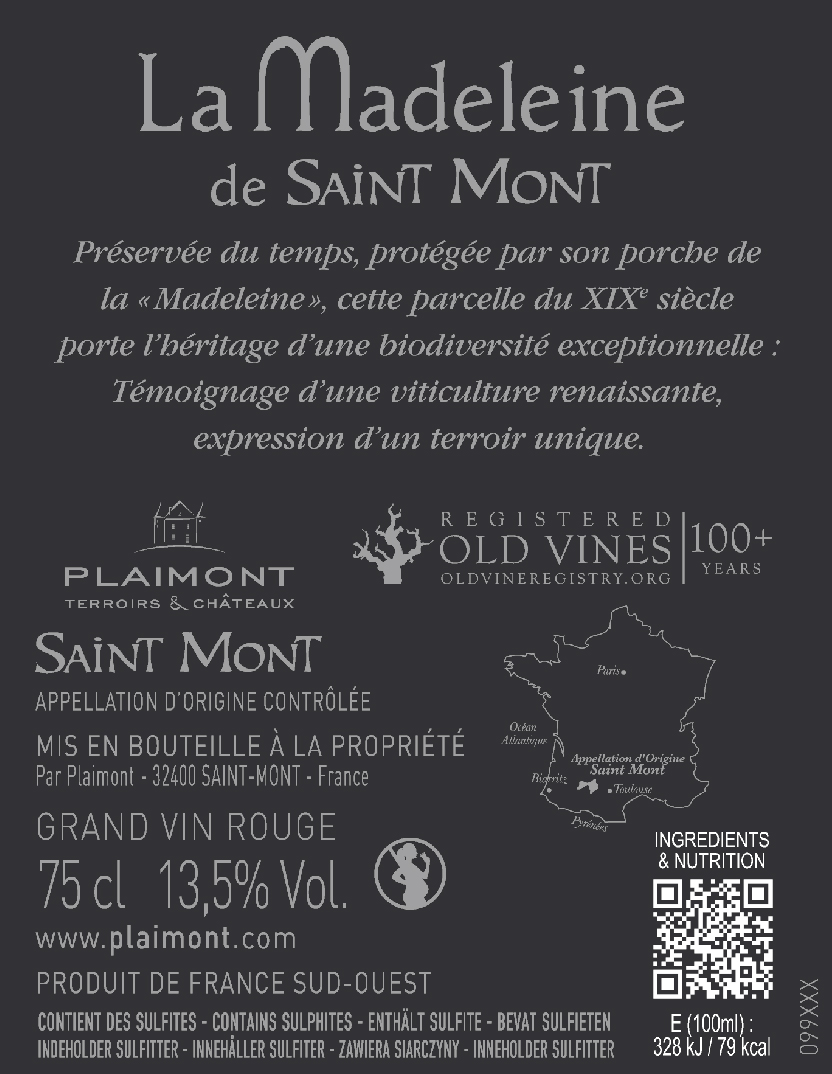
That’s what we’ve designed the OVR Seal to do. It clearly communicates that a wine comes from a registered vineyard, as well as the age category of that vineyard: 35+, 50+, 75+, 100+, and 150+ years old.
The seal, designed in several formats, is intended primarily for use on wine labels, but it can also appear on tech sheets, marketing materials, websites, e-commerce pages, and even vineyard signs, provided it remains associated with a specific registered vineyard, or a specific wine made from a registered vineyard.
It’s taken several months of hard work to pull this program together, with the help of stakeholders from several countries providing input into the early design drafts of the seal as well as the structure and terms of the program.
Meet the Launch Partners
The seal launches today with 11 initial launch partners—producers from 7 different countries—who were especially keen to be among the first to adopt the OVR Seal. They are:
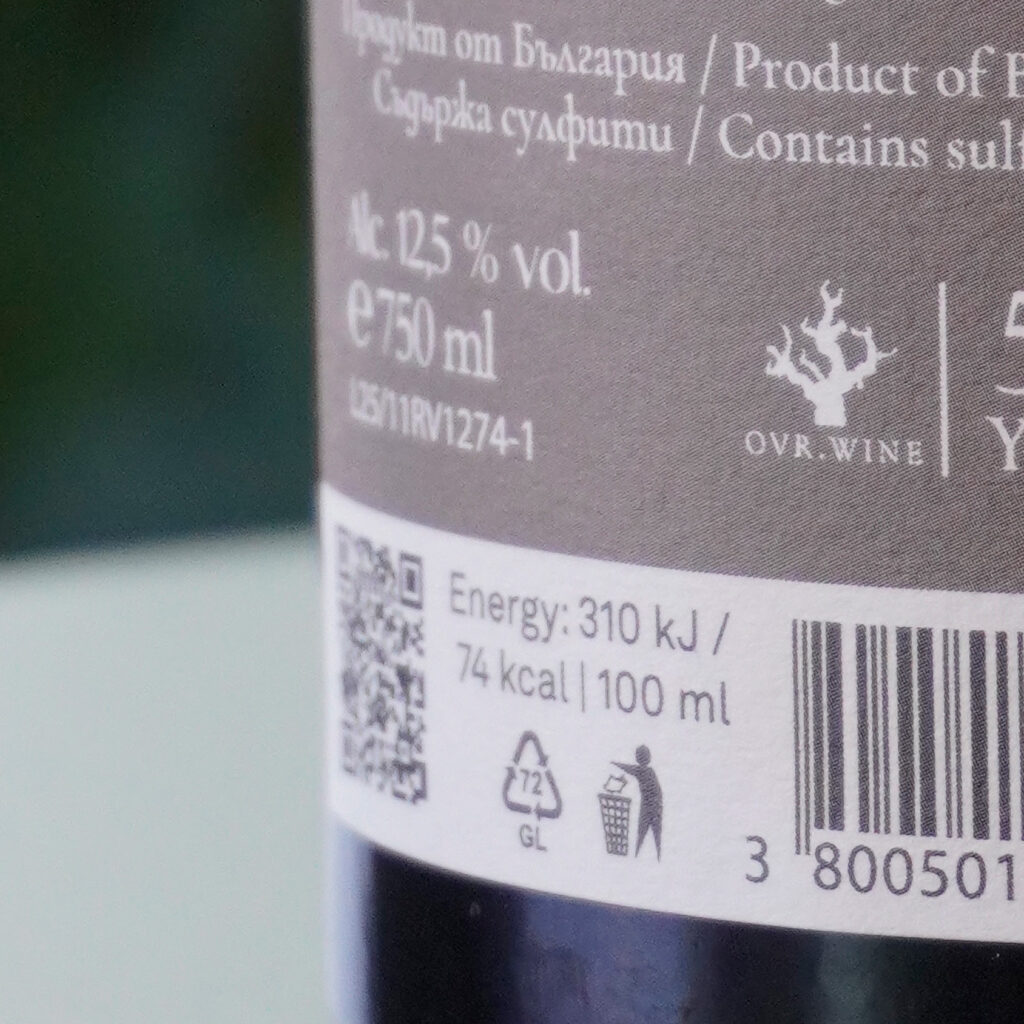
AYA Estate – a beautiful Relais & Châteaux property in the Melnik region of Bulgaria with several plots of 51-year-old Cabernet Franc vines. Their 2024 Melnik, produced by Seewines Spirit and about to be released, will be the first commercially available bottle in the world bearing the OVR seal.
Bedrock Wine Co. – this Sonoma producer is one of the world’s premier stewards of old vineyards and a thought leader on old-vine wines and viticulture. Owner Morgan Twain-Peterson MW has written a very thoughtful article on why he is adopting the seal. Bedrock has a number of vineyards in the Old Vine Registry, including their eponymous Bedrock Vineyard, planted in 1888. The OVR Seal will appear on their 2026 wines, which will be released beginning in 2027.
Bodega Ciclo Andino – this boutique producer in Mendoza, Argentina, farms 18 acres of own-rooted Malbec vines planted in 1920. They will be using the OVR Seal on the soon-to-be-released 2024 vintage of their “Mas de Cien” Reserve Malbec.
Garage Wine Company – another globally recognized champion of old-vine wines and viticulture, founder Derek Mossman Knapp collaborates with farmers of several ancient vineyards in the Maule region of Chile, such as Nivaldo Morales and his 1900-planted Sauzal Vineyard. All of the Garage wines except those from Maipo will soon feature the OVR…
Source : https://www.vinography.com/2026/10/introducing-the-old-vine-registry-seal